
Water Park Equipment VR Rafting: The Technology of Synchronizing Virtual and Real Water Splashes
The amusement industry is riding a powerful wave of innovation, and at the crest is the integration of Virtual Reality (VR) with traditional water park attractions. Imagine plummeting down a steep digital chasm, dodging mythical creatures, all while feeling the authentic, refreshing spray of real water on your skin. This is the magic of VR rafting rides like “VR Rapids,” but creating this seamless illusion is a feat of sophisticated engineering. The core challenge lies in one critical aspect: the perfect synchronization of virtual and real water splashes. As an industry analyst with a decade of experience in immersive technologies, I will break down the intricate systems that make this possible.
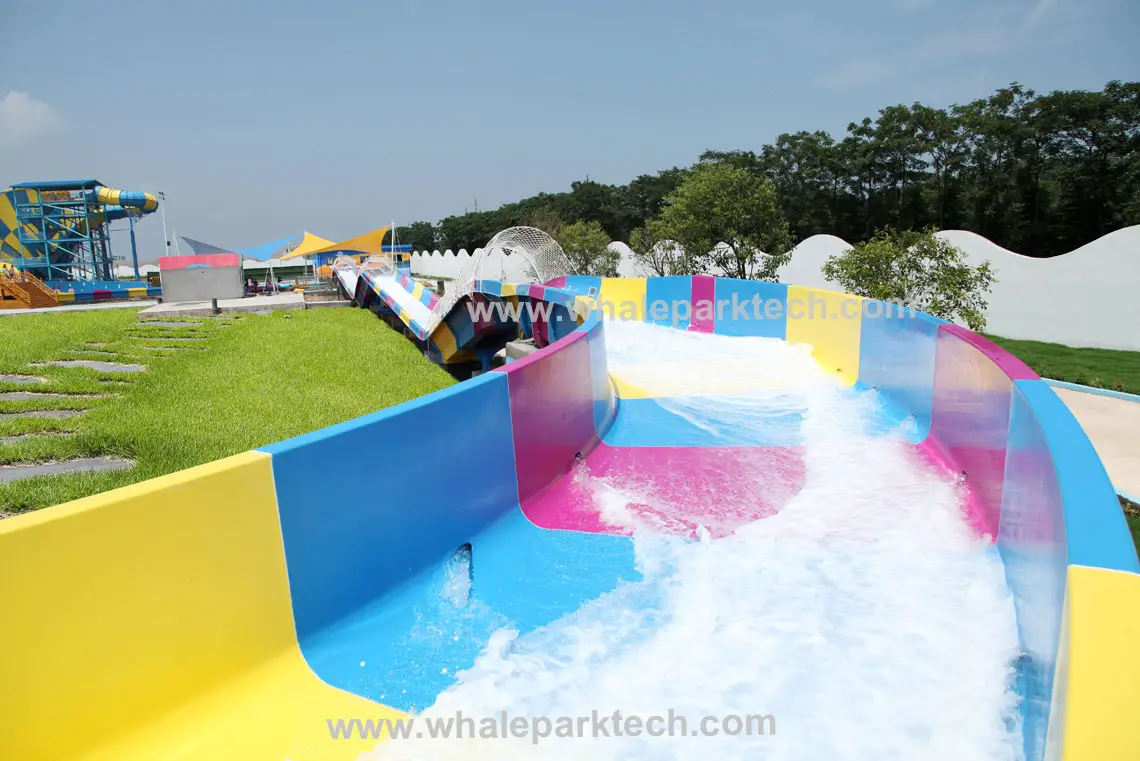
The journey begins long before the headset is donned. Modern VR water rides are built upon a robust “Digital Twin” of the physical flume. This is a precise, real-time virtual model of the entire water channel, raft, and ride mechanics. Sensors embedded in the track and on the raft continuously feed data into a central control system—monitoring position, velocity, acceleration, and even the raft’s orientation. This data stream is the heartbeat of the experience, ensuring the virtual world you see moves in perfect lockstep with the physical world you feel.
The synchronization of water splashes is where the true artistry of engineering meets sensory science. It’s not a simple pre-programmed effect; it’s a dynamic and responsive process.
—1. Predictive Triggering: The system uses physics engines, similar to those in high-end video games, to predict interactions. When the digital raft in your headset hits a virtual wave or a waterfall, the physics engine calculates the force and trajectory of the resulting splash. This prediction is cross-referenced with the raft’s real-world position. Just before the raft reaches a physical water jet or a splash pad in the flume, the system sends a command to activate it. The slight lead time accounts for the mechanical delay of the water valves, ensuring the splash sensation arrives at the exact moment your brain expects it based on the visual cue.
—2. Haptic Feedback Integration: This is a crucial layer for close-contact splashes. While large geysers are handled by physical water features, finer mists and droplet impacts are simulated using compact haptic transducers installed in the ride vehicle or even within the VR headset’s strap. When a virtual droplet is rendered as hitting your character’s face, a corresponding micro-vibration is triggered on the haptic device. Your brain, immersed in the visual context, interprets this subtle vibration as the feeling of a water droplet, brilliantly fooling your senses into feeling wetness even when you might be dry.
—3. Dynamic Rendering and Environmental Cues: To enhance the believability, the virtual environment itself reacts. When a large real-world splash occurs, the VR visuals can render a temporary “wet lens” effect or shimmering droplets on the screen, mimicking water on a camera lens. This bidirectional feedback—where the physical world influences the digital—closes the sensory loop, making the entire experience incredibly cohesive.
From a user experience (UX) perspective, this synchronization is paramount. A delay of even a few hundred milliseconds between seeing a splash and feeling it can cause dissonance, breaking immersion and potentially leading to motion sickness. The goal is “presence”—the undeniable feeling of being inside the virtual world. Perfectly synced water splashes are a powerful tool for achieving this, as they engage the tactile sense, which is often the hardest to convincingly simulate.
Looking ahead, the future of this technology is even more exciting. We are moving towards systems powered by AI and machine learning. These systems can learn from each ride cycle, adapting splash timing and force based on individual raft weight and passenger distribution for even greater precision. Furthermore, the development of more advanced haptic suits could simulate the feeling of water running down your arms, taking immersion to a whole new level.
In conclusion, the thrill of a VR water ride is far more than just a headset and a water slide. It is a meticulously choreographed dance between the digital and the physical, orchestrated by a network of sensors, predictive algorithms, and haptic feedback. The synchronization of water splashes is not a mere special effect; it is the critical thread that weaves the two realities into one unforgettable, and believably wet, adventure.
Products
-
 Custom FRP Super Vortex Water Slides for Adults
-
 Flying Mat Slide for Sale - Premium Water Park Slides Manufacturer | Commercial Water Park Equipment
-
 Premium Fiberglass Water Slides & Commercial Water Park Equipment for Sale - Water Roller Coaster
-
 Premium Family Water Slides for Sale | Commercial Water Park Equipment Manufacturer
-
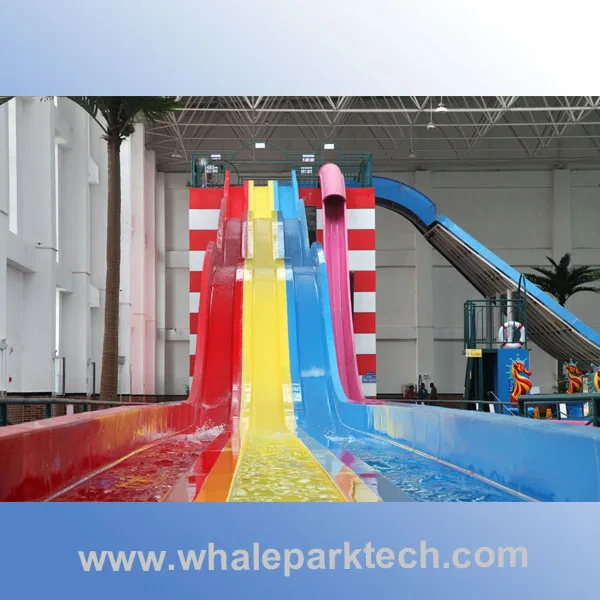 Commercial Indoor Rainbow Water Slide - FRP Slide with Steel Structure