
Imagine floating effortlessly in a warm, silent pod – your body weightless, your mind drifting into deep relaxation. Once confined to spas and wellness centres, zero gravity float tanks are now making a splash in the world of commercial water parks. As visitors seek more than just thrilling slides and wave pools, park operators are turning to floatation therapy to attract a broader audience. But creating that perfect, effortless float isn’t as simple as filling a tank with water and salt. It requires a precise balance – a golden ratio of salinity to buoyancy – that only the most experienced water park equipment manufacturers can deliver. In this article, we dive deep into the science of floatation, explore how leading water park equipment suppliers engineer these tanks, and reveal why the right salt concentration is the secret ingredient for an unforgettable guest experience.
The Science of Floating: Why Salinity Matters
To understand the golden ratio, we first need to look at the physics of buoyancy. Archimedes’ principle tells us that an object immersed in a fluid experiences an upward force equal to the weight of the fluid it displaces. For a human body to float effortlessly – with the face, chest, and limbs all resting on the surface – the density of the water must be slightly higher than the average density of the human body. The average person has a density of roughly 0.98 g/cm³ (we are mostly water, but with lungs full of air we are slightly less dense than fresh water). Fresh water has a density of 1.00 g/cm³, so most people can float, but not with the zero gravity sensation where the body rises high out of the water. To achieve that, we need to increase the water’s density, and the most practical way is to dissolve salt.
In the Dead Sea, where salinity hovers around 34% (ten times saltier than the ocean), people bob like corks. For a controlled indoor environment like a float tank, commercial water park equipment must replicate this effect safely and consistently. After decades of research, wave tech pool engineers and float therapy specialists have pinpointed the ideal range: a specific gravity of 1.25 to 1.30, which corresponds to a salt concentration of approximately 30 35% – very close to the Dead Sea’s natural level. This is the sweet spot where guests of all body types can experience complete weightlessness without effort.
But not any salt will do. Most float tanks use Epsom salt (magnesium sulfate) because it dissolves readily and has skin soothing properties. However, when we talk about integrating float tanks into a large scale water park environment, the conversation shifts to durability, hygiene, and compatibility with existing attractions. That’s where water park equipment company expertise becomes critical.
Engineering the Perfect Float: Equipment and Design
Creating a zero gravity float zone inside a bustling water park is vastly different from installing a single tank in a quiet spa. Indoor water park equipment suppliers face unique challenges: high guest turnover, rigorous sanitation standards, and the need to integrate float tanks with slides, wave pools, and interactive play areas.
Leading water park manufacturers now offer modular float tank systems designed specifically for commercial use. These units are larger than traditional therapy pods – some can accommodate two to four people simultaneously. They are constructed from corrosion resistant materials such as marine grade fibreglass and food safe polymers, because even though the float solution itself is highly saline, the surrounding environment may still be exposed to chlorine from other attractions. The keyword chlorine corrosive is always on the minds of designers; proper isolation and ventilation systems are a must.
The water treatment process for float tanks also differs from that of a typical pool. Since high salt concentrations inhibit microbial growth, many water park equipment suppliers recommend a combination of UV sterilization and periodic oxidation rather than chlorine. This preserves the skin friendly nature of the float while ensuring bather safety. When planning a float zone, water park equipment list items should include not only the tanks themselves but also specialised filtration pumps, salt mixing tanks, and automated salinity monitors that keep the golden ratio constant throughout the day.
Material Selection and Corrosion Resistance
One of the most critical considerations when installing float tanks in a water park environment is material compatibility. The high salt concentration required to achieve the golden ratio creates an aggressive environment for standard construction materials. This is why reputable water park equipment manufacturers specify marine grade materials throughout their float tank systems. Water slide manufacturers have long dealt with similar challenges in chlorinated environments, and their experience informs best practices for saline applications.
Stainless steel components must be at least 316 grade, with careful attention to welds and crevices where corrosion typically initiates. Many commercial water park equipment suppliers now offer titanium heat exchangers for float tanks, as titanium is virtually impervious to saltwater corrosion. Water park equipment companies that also supply wave pool equipment often have crossover expertise in managing aggressive water chemistry. When reviewing proposals from water park suppliers, always ask about their corrosion testing protocols and warranty coverage specific to saline environments.
The surrounding infrastructure also requires protection. HVAC systems serving float tank areas need special coatings on evaporator coils, and all electrical conduits must be sealed against salt-laden air. Indoor water park equipment suppliers familiar with humid environments understand these requirements intuitively. Some water park equipment manufacturers now offer complete prefabricated float suites that include integrated ventilation and corrosion resistant building materials, simplifying the installation process significantly.
Case Study: Integrating Float Tanks with Traditional Attractions
Imagine a family water park where parents can enjoy a peaceful float while their children race down slides. Some forward thinking water slide manufacturers have begun designing complexes that include a quiet cove adjacent to the main wave pool. Here, guests transition from the energetic surf of the wave pool equipment zone to the serene floatation area. This juxtaposition creates a powerful marketing story – the park that offers both adrenaline and zen.
A successful example can be found in Southeast Asia, where a renowned water playground manufacturer Malaysia collaborated with international aqua park equipment suppliers to install a cluster of zero gravity tanks alongside a new interactive water play equipment zone. The tanks are housed in semi private cabanas with mood lighting and sound systems, appealing to millennials and wellness tourists. The project required close coordination with water park slides manufacturers to ensure water flows and drainage systems did not interfere. By sourcing from a single water park equipment manufacturer that also supplied the slides, the park achieved a cohesive design and simplified maintenance.
The Malaysian partner brought particular expertise in tropical climate challenges. High ambient humidity and year-round warm temperatures create unique demands for water park products in this region. Their float tank installation includes enhanced dehumidification systems and additional insulation to prevent condensation, which could otherwise dilute the carefully calibrated salt concentration. This attention to local conditions demonstrates why working with experienced regional water park suppliers is invaluable.
The Business Case: Why Add Float Tanks?
From a revenue perspective, float tanks offer high margins. They can be booked as premium experiences, similar to cabanas or VIP areas. Commercial water park equipment like float tanks also extend the park’s appeal to adults without children, corporate groups, and even therapy clients. Water park suppliers report that float zones often have the highest guest satisfaction scores and encourage longer dwell times, which boosts food and beverage sales.
Moreover, float tanks require relatively little space compared to a new slide complex. For park operators looking to refresh their offering without major construction, adding a few tanks is a cost effective upgrade. Bulk water play equipment suppliers sometimes offer package deals that include float tanks, slides, and water games equipment – making it easier for parks to diversify.
The wellness tourism trend further strengthens the business case. Modern consumers actively seek experiences that combine recreation with health benefits. Float tanks deliver proven stress reduction, improved sleep, and even relief from chronic pain conditions. Water theme park equipment that offers these therapeutic benefits positions a park as a destination for holistic wellbeing, not just entertainment. Marketing messages can highlight the unique sensation of weightlessness – something no roller coaster or traditional pool attraction can replicate.
Operational efficiency also improves with float tank installations. Unlike high thrill water slide equipment that requires constant lifeguard attention, float tanks are self supervised with remote monitoring. Guests book time slots, receive orientation, and then enjoy private sessions with minimal staff intervention. This favourable staffing ratio contributes to the attractive profit margins reported by water park equipment company clients worldwide.
Maintaining the Golden Ratio: Operational Protocols
Achieving the perfect salt concentration is one thing; maintaining it through hundreds of daily soaks is another. Water park equipment in a float zone must include real time sensors that feed data to a central control system. When salinity drops due to guests tracking out water or condensation, automated salt feeders replenish the lost minerals.
Daily operational checklists provided by water park equipment manufacturers typically include:
· Morning salinity verification using both electronic sensors and hydrometer confirmation
· Visual inspection of water clarity and surface condition
· UV system status verification
· Temperature calibration (optimal float temperature is precisely 35°C, matching skin temperature)
· pH adjustment if using any supplemental sanitation
Water park equipment suppliers recommend training dedicated float zone attendants who understand the unique requirements of saline systems. Unlike wave tech pool operators who focus on mechanical systems, float attendants need sensitivity to guest experience factors like sound levels, lighting, and privacy. Many water park equipment companies offer comprehensive training programmes covering both technical operations and guest service protocols.
Water testing frequency should increase during peak usage periods. Commercial water park equipment in float zones may process dozens of guests daily, each introducing organic compounds and potentially diluting salinity. Advanced water park products now include automated titration systems that sample tank water hourly and adjust chemical parameters without staff intervention. These systems interface with building management platforms, alerting supervisors to any deviation from the golden ratio.
Safety Considerations and Accessibility
Safety in float tank environments differs significantly from traditional water slide manufacturer concerns. Drowning risk is minimal because guests cannot sink in water with specific gravity exceeding 1.25. However, other safety considerations emerge. The high salt concentration means any eye contact causes intense stinging, so thorough guest orientation must emphasise keeping faces above water and having fresh water rinses immediately available.
Indoor water park equipment suppliers designing float zones incorporate several safety features:
· Non slip flooring in all transition areas (salt residue can be slippery)
· Handrails and grab bars at tank entry points
· Emergency call buttons within each tank enclosure
· Automatic door releases that cannot be locked from inside
· Ventilation systems that maintain oxygen levels despite high humidity
Accessibility is another important consideration. Water park manufacturers now offer float tanks with transfer benches and wider doors to accommodate guests with mobility challenges. Some aqua park equipment suppliers provide hoist systems similar to those used in therapeutic pools, allowing wheelchair users to transfer safely. These inclusive design features broaden market appeal and demonstrate commitment to serving all guests.
Future Trends: Beyond the Tank
The concept of zero gravity floating is evolving. Some water theme park equipment innovators are experimenting with open air saltwater lagoons where guests can float under the sky, combining the social atmosphere of a beach with the buoyancy of a float tank. These projects require massive quantities of salt and advanced circulation systems, pushing the boundaries of what commercial water park equipment can do.
Additionally, water park products are becoming smarter. We now see float tanks with integrated virtual reality, guided meditation audio, and chromotherapy lighting. Water park tubes suppliers are even designing special flotation aids for guests who want to float in group settings. The market for wellness oriented water attractions is booming, and the companies that master the golden ratio of salinity and buoyancy will lead the way.
Sustainability is emerging as a key differentiator among water park equipment suppliers. New filtration technologies dramatically reduce water consumption in float tanks. Unlike wave pool equipment that requires continuous backwashing, modern float systems recirculate water through multi stage filtration with minimal losses. Some water park equipment manufacturers have developed salt recovery systems that capture and reuse salt during tank draining, addressing both environmental and operational cost concerns.
Integration with digital ecosystems represents another frontier. Forward thinking water park equipment companies now offer float tanks with guest experience platforms. Visitors can book sessions through park apps, control their tank environment via Bluetooth, and receive post float wellness recommendations. This connectivity extends the guest relationship beyond the park visit, building loyalty and encouraging repeat bookings.
Selecting the Right Partners
For park operators considering float tank addition, partner selection is paramount. Water park equipment list reviews should prioritise experience with saline systems over general water park familiarity. Ask potential water park suppliers:
· How many commercial float installations have you completed?
· What is your warranty policy regarding salt corrosion?
· Can you provide references from similar climate zones?
· Do you offer ongoing technical support and spare parts?
· What training programmes do you provide for operations staff?
Water slide manufacturers diversifying into float systems may lack specialised knowledge, while dedicated aqua park equipment suppliers often have deeper expertise. Water playground manufacturer Malaysia firms, for instance, have developed considerable experience with saline systems due to regional interest in float therapy. Their insights into tropical operations benefit parks in warm climates worldwide.
Consider whether a single water park equipment manufacturer can supply both float tanks and supporting infrastructure. Integrated solutions often perform better than systems assembled from multiple vendors. However, specialised wave tech pool consultants can also coordinate multi vendor projects effectively. The key is ensuring all components – tanks, filtration, salt management, and building systems – work together seamlessly.
Conclusion
Zero gravity float tanks represent a new frontier for water parks, blending recreation with therapeutic relaxation. The golden ratio of salinity – that precise 30 35% concentration – is the cornerstone of this experience. But achieving it consistently, safely, and profitably requires the expertise of trusted water park equipment suppliers, innovative water slide manufacturers, and dedicated aqua park equipment suppliers who understand both the science and the business.
Whether you are building a new indoor water park or retrofitting an existing one, consider adding float tanks. They are not just an attraction; they are a statement that your park cares about every guest’s well being. And with the right partners – from water park equipment companies in Malaysia to global leaders in wave tech pools – you can deliver that perfect, weightless moment time and time again.
The journey toward integrating float tanks requires careful planning, appropriate material selection, and commitment to operational excellence. But the rewards – delighted guests, premium revenue streams, and a reputation for innovation – make the investment worthwhile. As water parks continue evolving from pure thrill destinations to comprehensive wellness resorts, zero gravity float tanks will increasingly become standard offerings. Those who embrace this trend early, guided by experienced water park equipment suppliers, will establish market leadership that competitors will struggle to match. The golden ratio of salinity isn’t just physics – it’s the formula for future success in the dynamic world of commercial water attractions.
Products
-
 Custom FRP Super Vortex Water Slides for Adults
-
 Flying Mat Slide for Sale - Premium Water Park Slides Manufacturer | Commercial Water Park Equipment
-
 Premium Fiberglass Water Slides & Commercial Water Park Equipment for Sale - Water Roller Coaster
-
 Premium Family Water Slides for Sale | Commercial Water Park Equipment Manufacturer
-
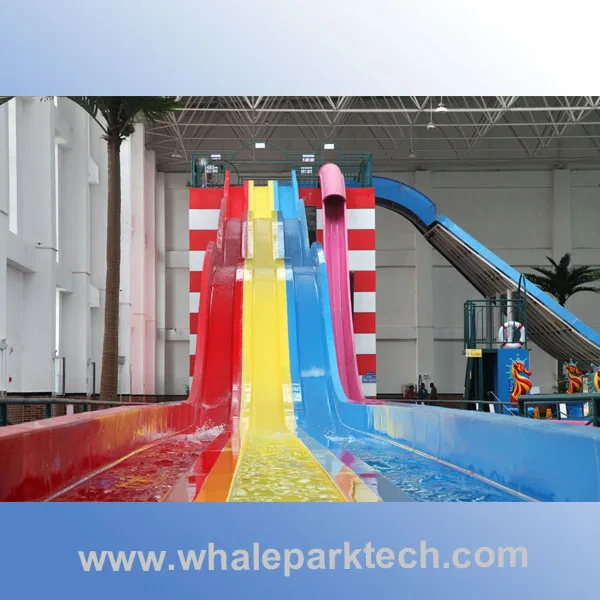 Commercial Indoor Rainbow Water Slide - FRP Slide with Steel Structure
-
 Large Sky Loop Water Slide for Sale | Water Park Equipment Suppliers
-
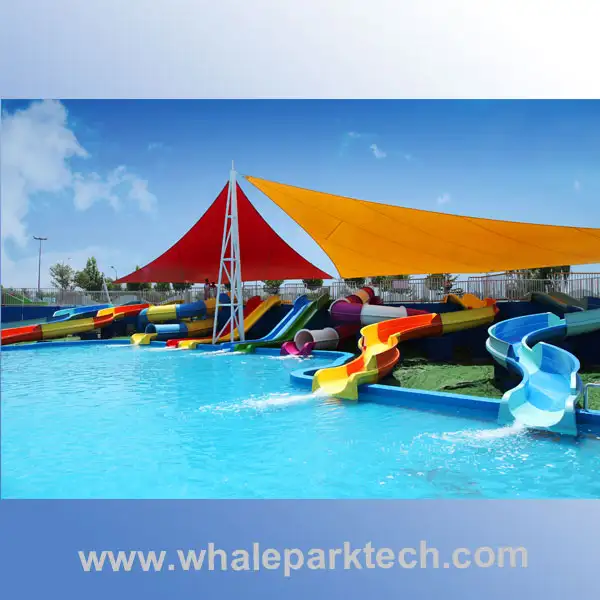 Parent-Child Water Slides | Safe Family Splash Rides for Kids
-
 Whirlwind Super Tornado Funnel Water Slide