
Introduction
Over the past decade, Ethiopia has emerged as one of Africa’s fastest-growing economies, largely by emulating China’s state-led development model. With a GDP growth rate averaging over 10% annually between 2010 and 2019, the country has prioritized industrialization, infrastructure modernization, and export-oriented manufacturing. This economic transformation, coupled with rapid urbanization and a burgeoning middle class, creates fertile ground for investments in leisure and entertainment sectors. Among these, the development of water parks represents a promising yet untapped opportunity. This article explores the market potential for water park facilities in Ethiopia, analyzing drivers, challenges, and strategic considerations.
Market Drivers: Why Ethiopia?
1. **Economic Growth and Rising Disposable Incomes**
Ethiopia’s adoption of China-style economic planning—through its **Growth and Transformation Plan (GTP)**—has lifted millions out of poverty and expanded the middle class. Urbanization rates are rising, with Addis Ababa’s population exceeding 5 million. As disposable incomes grow, demand for recreational activities, particularly among younger demographics, is poised to surge. A water park, as a family-friendly attraction, aligns with this trend.
2. **Tourism Expansion**
Ethiopia’s tourism sector is a priority under GTP-II (2015–2020), aiming to leverage its UNESCO World Heritage sites, unique cultural heritage, and natural landscapes. International tourist arrivals grew from 500,000 in 2010 to over 1 million in 2019. However, the country lacks modern entertainment infrastructure to retain tourists beyond historical tours. A water park could diversify tourist experiences, encouraging longer stays and higher spending.
3. **Infrastructure Development**
Chinese-backed projects like the **Addis Ababa-Djibouti Railway** and the Addis Ababa Light Rail have improved connectivity, reducing logistics costs. Additionally, industrial parks such as the Eastern Industry Zone have attracted foreign workers and expatriates, creating a niche market for premium leisure services. Proximity to these hubs could enhance a water park’s viability.
4. **Government Incentives**
Ethiopia’s government actively seeks foreign investment in non-resource sectors. Tax breaks, land leases, and streamlined approvals for projects in designated zones (e.g., tourism corridors) lower entry barriers for developers.
Investment Opportunities
1. **First-Mover Advantage**
Ethiopia currently has no large-scale water parks. Early entrants could dominate the market, catering to both locals and tourists. Smaller entertainment centers, such as Addis Ababa’s **Kuriftu Resort**, demonstrate latent demand for water-based activities.
2. **Strategic Locations**
– **Addis Ababa**: The capital’s growing affluent population and expatriate community offer a ready customer base.
– **Hawassa or Bahir Dar**: Cities near lakes or tourist hotspots could integrate water parks with eco-tourism.
– **Industrial Zones**: Proximity to clusters like the Eastern Industry Zone could attract workers and families.
3. **Partnership Potential**
Collaborating with hotels, airlines, and tour operators could bundle water park access with travel packages. Chinese firms, already experienced in Ethiopia’s construction sector, may provide cost-effective equipment and expertise.
Challenges and Risks
1. **Political and Economic Instability**
Recent conflicts, such as the Tigray War (2020–2022), and foreign exchange shortages have disrupted economic momentum. Investors must assess geopolitical risks and consider phased investments to mitigate volatility.
2. **Infrastructure Gaps**
While major cities benefit from new railways, reliable electricity and water supply remain inconsistent. Water parks would require significant upfront investment in filtration systems and backup power.
3. **Cultural Sensitivities**
Ethiopia’s conservative societal norms may affect demand for swimwear-centric activities. Marketing strategies should balance modernity with cultural respect, possibly offering private sections or modest attire options.
4. **Currency and Debt Risks**
Ethiopia’s external debt exceeds $30 billion, raising concerns about currency devaluation and repayment capacity. Revenue in hard currency (e.g., from tourists) could hedge against the volatile Ethiopian birr.
Case Study: Learning from China’s Playbook
China’s success in developing leisure industries alongside manufacturing offers lessons. For instance, Chimelong Water Park in Guangzhou thrived by targeting middle-class families and integrating with resorts. Ethiopia could replicate this model by situating water parks near industrial clusters or safari destinations, creating synergies between work and leisure.
Conclusion: A Calculated Opportunity
Ethiopia’s economic trajectory mirrors China’s early reform era, presenting a unique window for water park investments. The confluence of rising incomes, tourism growth, and infrastructure improvements supports market feasibility. However, risks such as political instability and operational challenges require careful mitigation.
Recommendations for Investors:
– Conduct localized demand studies focusing on pricing sensitivity and cultural preferences.
– Partner with Ethiopian firms or international developers to navigate regulatory hurdles.
– Leverage China-Africa cooperation platforms (e.g., FOCAC) for financing and technical support.
In summary, while Ethiopia’s path is fraught with uncertainties, its aspirational growth story and underserved entertainment market make water parks a compelling—if bold—venture. As the nation strives to transition from a agrarian economy to a diversified industrial powerhouse, leisure infrastructure could become both a symbol of progress and a profitable niche.
Products
-
 Custom FRP Super Vortex Water Slides for Adults
-
 Flying Mat Slide for Sale - Premium Water Park Slides Manufacturer | Commercial Water Park Equipment
-
 Premium Fiberglass Water Slides & Commercial Water Park Equipment for Sale - Water Roller Coaster
-
 Premium Family Water Slides for Sale | Commercial Water Park Equipment Manufacturer
-
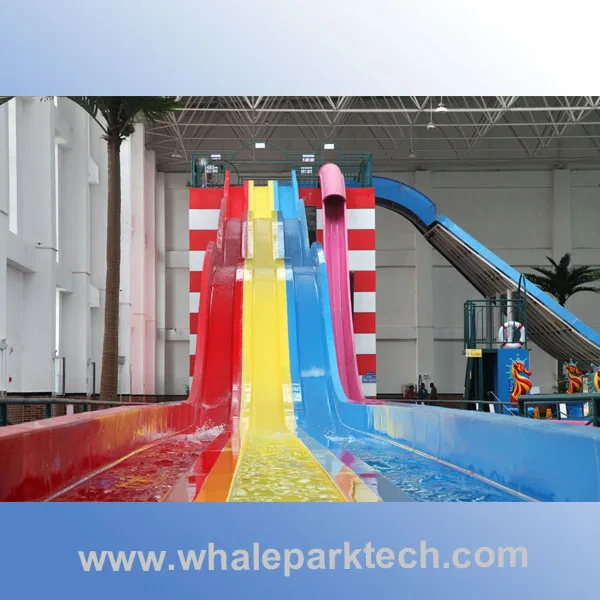 Commercial Indoor Rainbow Water Slide - FRP Slide with Steel Structure
-
 Large Sky Loop Water Slide for Sale | Water Park Equipment Suppliers
-
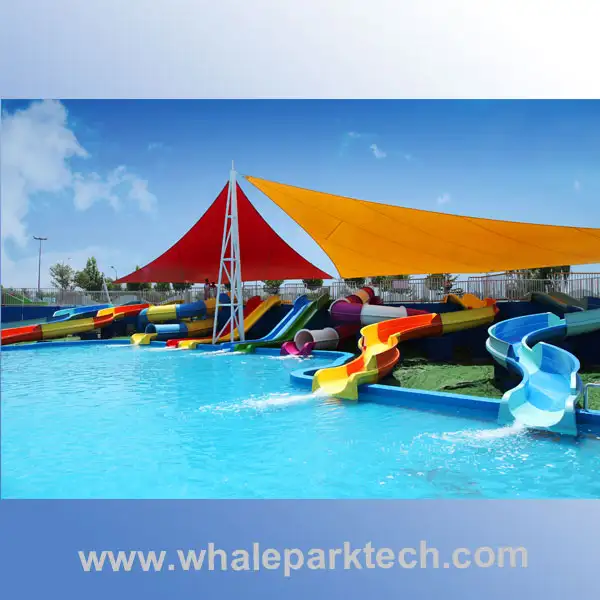 Parent-Child Water Slides | Safe Family Splash Rides for Kids
-
 Whirlwind Super Tornado Funnel Water Slide