
The relentless combination of water, oxygen, and chlorine chemicals creates a perfect storm for corrosion in water parks. Left unchecked, this rapidly degrades metal structures – slides, railings, support beams, and filtration systems – leading to premature failure, costly repairs, and potential safety risks. Effective chlorine corrosion prevention is non-negotiable for operational safety and financial health. This guide details a proven strategy centered on extending coating life through optimal selection, application, and maintenance, crucial for water park metal equipment longevity.
Understanding the Aggressive Environment:
Water parks present unique metal corrosion challenges. Constant immersion, splash zones, high humidity, and elevated temperatures accelerate electrochemical reactions. Chlorine-based disinfectants (sodium hypochlorite, trichloroisocyanuric acid) form corrosive hypochlorous acid and aggressive chloride ions that penetrate coatings, reaching the metal substrate. Chloramines (formed from chlorine reacting with organics) further lower pH and increase corrosivity. Regular shock treatments intensify these effects. Protective coatings are the primary barrier, but standard solutions often fail prematurely here.
The Core Strategy: A Multi-Layer Defense for Maximum Coating Longevity
1. Surface Preparation Excellence (The Foundation):
No coating adheres well to a poorly prepared surface. Corrosion protection starts here. All metal must undergo abrasive blasting (e.g., Sa 2.5 standard per ISO 8501-1) to remove mill scale, rust, salts, and old coatings, creating a clean, profiled anchor pattern. Solvent cleaning removes oils and greases. This step is critical for maximizing coating adhesion and preventing underfilm corrosion initiation.
2. Selecting High-Performance Protective Coatings:
Not all coatings withstand intense aquatic facility environments. Key considerations:
– Immersion-Grade Epoxies: The workhorse. High-build, chemical-resistant epoxies (amine-cured or novolac types) offer superb barrier properties against water, oxygen, and chlorides. Often used as a primer or mid-coat.
– Aliphatic Polyurethanes/Polyureas: Essential topcoats. Provide exceptional UV resistance (preventing chalk and gloss loss), abrasion resistance, and chemical resistance to chlorine and chloramines. Polyureas offer faster cure and high flexibility.
– Zinc-Rich Primers: Provide galvanic (sacrificial) corrosion protection, especially beneficial at coating defects or edges. Epoxy or inorganic silicate zinc primers are common.
– Innovative Options: High-performance fluoropolymer coatings (e.g., FEVE) offer superior UV and chemical resistance but at higher cost. Ceramic-modified epoxies enhance abrasion resistance.
3. Precision Application:
Strict adherence to manufacturer specifications is paramount. Control factors include:
– Environmental Conditions: Temperature, humidity, and dew point must be within coating system parameters.
– Film Thickness: Applied uniformly and measured (Wet Film Thickness during application, Dry Film Thickness verification) to meet design specs. Undert thickness invites premature failure.
– Curing: Allow full, proper curing before exposure to water or chemicals. Rushing this compromises integrity.
– Technique: Use trained applicators employing appropriate spray equipment to ensure even, defect-free films.
4. Proactive Inspection & Maintenance:
Coating lifespan extension requires vigilance. Implement a routine program:
– Scheduled Inspections: Quarterly visual checks for blisters, cracking, peeling, rust spotting, or discoloration. Annual detailed inspections with adhesion testing and holiday detection (to find pinholes).
– Prompt Repair: Address minor damage IMMEDIATELY. Clean, feather-edge, and spot-repair using compatible materials following proper surface prep. Neglecting small flaws leads to rapid undercutting and large-scale coating failure.
– Water Chemistry Management: While not directly coating maintenance, keeping chlorine and pH levels within optimal ranges (avoiding extreme highs/lows) reduces the chemical stress on coatings. Regularly purge lines to minimize chloramine buildup.
The Payoff: Safety, Savings & Sustainability
Implementing this metal corrosion protection guide delivers significant benefits:
– Extended Equipment Lifespan: Coatings last 3-5 years longer or more, delaying costly capital replacement of slides, supports, and tanks.
– Reduced Maintenance Costs: Minimizes unplanned downtime and emergency repairs. Water park maintenance becomes predictable and budgetable.
– Enhanced Safety: Maintains structural integrity, preventing accidents.
– Operational Continuity: Avoids ride closures due to corrosion damage.
– Improved Aesthetics: Well-maintained coatings keep the park looking vibrant and inviting.
Conclusion
Combating chlorine corrosion in water parks demands a systematic approach focused on maximizing protective coating performance. By investing in meticulous surface preparation, selecting chemically resistant immersion-grade coatings, ensuring flawless application, and committing to diligent inspection and maintenance, operators can dramatically extend coating life on metal structures. This proactive corrosion prevention strategy is essential for safeguarding assets, ensuring guest safety, and optimizing the long-term financial health and reputation of any aquatic facility. Prioritize your coatings – they are the frontline defense.
Products
-
 Custom FRP Super Vortex Water Slides for Adults
-
 Flying Mat Slide for Sale - Premium Water Park Slides Manufacturer | Commercial Water Park Equipment
-
 Premium Fiberglass Water Slides & Commercial Water Park Equipment for Sale - Water Roller Coaster
-
 Premium Family Water Slides for Sale | Commercial Water Park Equipment Manufacturer
-
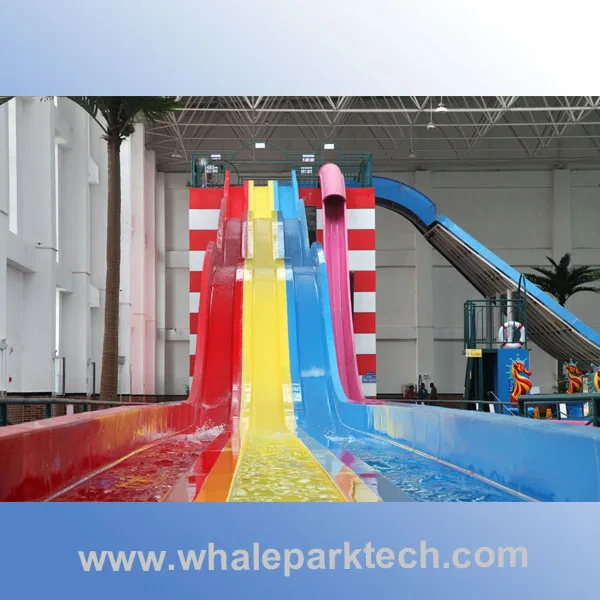 Commercial Indoor Rainbow Water Slide - FRP Slide with Steel Structure