
Global climate change and water scarcity are forcing the entertainment facility industry to rethink water usage patterns. Water parks, as high‑consumption venues, consume hundreds of thousands of cubic meters of fresh water annually for slide flushing, pool topping‑up, and interactive play equipment operation. However, a long‑overlooked solution is maturing—rainwater harvesting systems. Can it support a completely self‑sufficient water park? The answer is yes, but it requires systematic planning from four dimensions: design, equipment, maintenance, and operations.
First, rainfall volume is the foundation of feasibility. Taking tropical Southeast Asia as an example, annual precipitation often exceeds 2,000 mm. A 50,000 m² water park with approximately 30,000 m² of roof and hardened ground catchment area can theoretically collect 60,000 m³ per year. This is enough to cover the replenishment needs of small to medium‑sized water parks, with surplus for landscaping and flushing. The key lies in the design of initial flow diverters and storage tank capacity. If the storage tank reaches five times the park’s daily water consumption, it can withstand consecutive dry weeks.
Second, water quality treatment is the core challenge of a self‑sufficient system. Rainwater initially carries dust, bird droppings, and particulates, which must go through three treatment stages: sedimentation, filtration, and disinfection. Modern water park equipment suppliers now offer modular rainwater treatment units that integrate into existing water treatment plant rooms. More importantly, rainwater has low hardness, which is friendlier to pipes and pumps, but care is needed—chlorine disinfectants deplete faster in rainwater because of fluctuating organic content. This directly relates to the chlorine corrosive issue: low‑hardness water reduces scaling but may accelerate pitting corrosion on metal components. Therefore, choosing corrosion‑resistant materials like stainless steel or engineered plastics becomes mandatory for self‑sufficient parks.
At the equipment selection level, not all water park equipment is suitable for rainwater‑replenished systems. Slide water demands high clarity, while interactive battle zones tolerate slightly higher turbidity. Hence, a sensible water park equipment list should include: primary rainwater filters, sand filters, activated carbon tanks, UV sterilizers, and online residual chlorine monitors. Many water park manufacturers now offer “rainwater‑ready” certified equipment, such as pressure filters with automatic backwashing functions. For large wave pools, wave pool equipment must additionally consider the impact of water level fluctuations on wave generators—stable replenishment flow rates are more important than peak flow.
From a commercial perspective, the biggest advantage of a 100% self‑sufficient water park is not water bill savings but brand premium. Tourists are increasingly environmentally conscious; a park claiming “not a single drop from municipal supply” has clear marketing differentiation. Meanwhile, a water park equipment company can supply rainwater metering and visual display screens, allowing visitors to see real‑time collected, treated, and saved rainwater volumes, enhancing interactive experiences. Such transparency translates into word‑of‑mouth and repeat visits.
However, self‑sufficient systems are not zero‑cost. Initial investment includes storage tanks, dedicated pipelines, booster pumps, and intelligent controllers. Yet long‑term returns are considerable: over a 10‑year operation period, saved water and sewage fees can recover 60–80% of the initial investment. If local policies charge for rainwater discharge, the payback period shortens further. Water park suppliers report that about 30% of recent orders include rainwater pre‑treatment modules, indicating growing market acceptance.
For indoor parks, indoor water park equipment suppliers emphasize another advantage—indoor constant temperature reduces the impact of rainwater temperature fluctuations on pool water. Rainwater is warmer in summer and cooler in winter, but indoor venues can use heat exchange systems to recover air‑conditioning condensate heat to preheat replenishment water, thereby lowering heating energy consumption. Such synergistic design moves self‑sufficiency from theoretical feasibility to economic viability.
In the slide sector, water slide manufacturers focus on bubble issues in high‑speed water flow. Rainwater has higher dissolved oxygen, which may form microbubbles on high‑speed slide surfaces, affecting visual clarity. Solutions include degassing towers before slide water supply or variable‑speed water injection. Some water slide manufacturers have already launched low‑bubble nozzles tailored for rainwater conditions—an important innovation on the equipment side. Additionally, water slide suppliers now provide detailed compatibility charts for rainwater‑specific hydraulic designs.
In the international market, regulations on rainwater usage vary. Some U.S. states allow rainwater as supplemental supply but not for direct body contact; the EU permits tertiary‑treated rainwater for all water park uses after proper treatment. Therefore, when planning to purchase commercial water park equipment, buyers must confirm whether the equipment meets local drinking water or swimming water quality standards. Water park equipment manufacturers usually offer multi‑standard configuration options to facilitate exports. A reliable water park supplier will also provide documentation for local permitting processes.
In terms of operations and maintenance, the core risks of rainwater systems are wet‑season overflow and dry‑season shortage. Intelligent weather‑linked control systems can predict rainfall for the next three days and automatically adjust storage levels. Wave tech pool suppliers have even developed wave‑energy coordinated buffering algorithms to ensure wave quality is unaffected by replenishment mode switching. For children’s splash areas, interactive water play equipment requires low‑pressure high‑flow water supply—rainwater systems naturally meet this because rainwater is gravity‑collected, and pressure can be precisely regulated by variable‑frequency pumps.
Product diversity also matters. Water park products include floating mats, water guns, tipping buckets, and climbing structures. Although these devices are not involved in water treatment, their materials must tolerate the initial acidic phase of rainwater (pH ~5.6). Therefore, selecting UV‑resistant and weak‑acid‑resistant materials becomes a procurement priority. Aqua park equipment suppliers have launched rainwater‑adaptive product lines to ensure no embrittlement or fading within five years. Similarly, water games equipment manufacturers now offer sealed electronic enclosures for rainwater‑prone environments.
If the park is located in tropical countries like Malaysia, water playground manufacturer malaysia has extensive rainwater application experience, and their localized designs often include steep ground drainage and rapid drainage systems, which are highly valuable references for self‑sufficient projects. Their engineering teams frequently collaborate with international water park equipment manufacturer firms to adapt tropical rainfall patterns. Similarly, water park tubes suppliers must consider buoyancy changes in rainwater—rainwater has slightly lower density than tap water, reducing buoyancy by about 2%, requiring slightly higher inflation volumes and more frequent pressure checks.
For large water fort combinations, water park slides manufacturers and water theme park equipment suppliers recommend a zoned replenishment strategy: high‑speed slides use treated rainwater mixed with a small amount of municipal water to ensure clarity, while wave pools and lazy rivers can use 100% rainwater. This zoning approach significantly reduces treatment costs. Bulk water play equipment suppliers even offer pre‑installed rainwater interface standard modules, shortening installation cycles and reducing on‑site labor. Water slide equipment specialists also provide dedicated rainwater‑compatible pump sets with anti‑cavitation features.
Finally, the long‑term impact of chlorine corrosive must be addressed. Rainwater’s chlorine demand fluctuates widely, so automatic chlorination systems must adopt nonlinear PID control to avoid drastic residual chlorine swings. Meanwhile, periodic testing for iron and manganese ions is necessary to prevent catalytic oxidation from accelerating corrosion. Using titanium alloy heat exchangers and UPVC pipes can essentially solve this problem. Leading water park equipment engineering teams now incorporate sacrificial anodes and corrosion monitoring sensors as standard in rainwater‑fed designs.
Beyond engineering, staff training is equally critical. Operators must understand the differences between rainwater and traditional supply—especially in filtration backwash frequency and chemical dosing curves. Many water park equipment suppliers now include customized operation manuals and on‑site training sessions specifically for rainwater systems. This human factor often determines whether a self‑sufficient project succeeds or fails over the long run.
Economically, the payback model is becoming more attractive. With rising municipal water tariffs and increasing environmental compliance costs, the break‑even point for rainwater systems has dropped from 12 years to approximately 7–8 years in high‑rainfall regions. Combined with green building certifications and tax incentives, the internal rate of return (IRR) for such projects now competes favorably with conventional designs. Investors also benefit from reduced vulnerability to drought‑induced water restrictions, ensuring year‑round operation without interruption.
From a guest experience perspective, rainwater‑fed parks report no noticeable difference in water clarity, smell, or skin feel compared to conventional parks—provided the treatment system is properly sized and maintained. In fact, some operators note that softer rainwater improves guest comfort, especially for children with sensitive skin. This subtle advantage, though not heavily marketed, generates positive online reviews and repeat family visits.
In summary, the 100% self‑sufficient water park is no longer a sci‑fi concept. It relies on mature rainwater harvesting technology, suitable water park equipment selection, refined operational algorithms, and growing visitor environmental awareness. Although economics have not yet fully surpassed traditional water supply in every region, combining environmental subsidies, brand premium, and future water price trends, the return on investment is rapidly approaching the tipping point. For investors pursuing long‑termism and ESG strategies, now is the window for deployment. The convergence of regulatory support, equipment innovation, and consumer demand makes this the ideal moment to move from pilot projects to full‑scale commercial installations.
Products
-
 Custom FRP Super Vortex Water Slides for Adults
-
 Flying Mat Slide for Sale - Premium Water Park Slides Manufacturer | Commercial Water Park Equipment
-
 Premium Fiberglass Water Slides & Commercial Water Park Equipment for Sale - Water Roller Coaster
-
 Premium Family Water Slides for Sale | Commercial Water Park Equipment Manufacturer
-
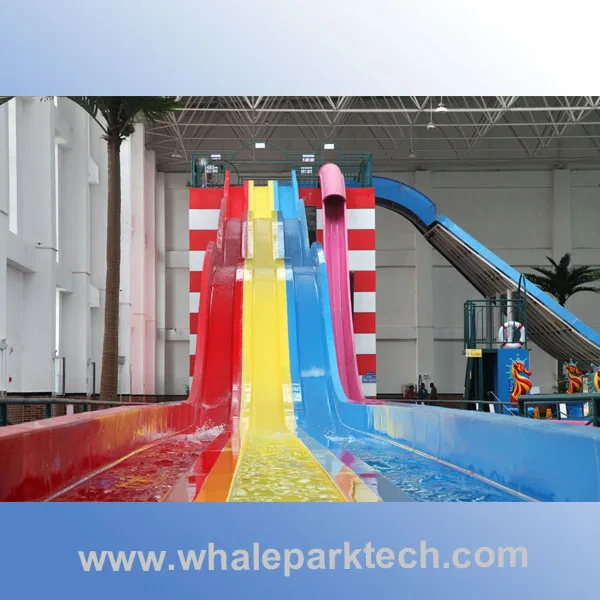 Commercial Indoor Rainbow Water Slide - FRP Slide with Steel Structure
-
 Large Sky Loop Water Slide for Sale | Water Park Equipment Suppliers
-
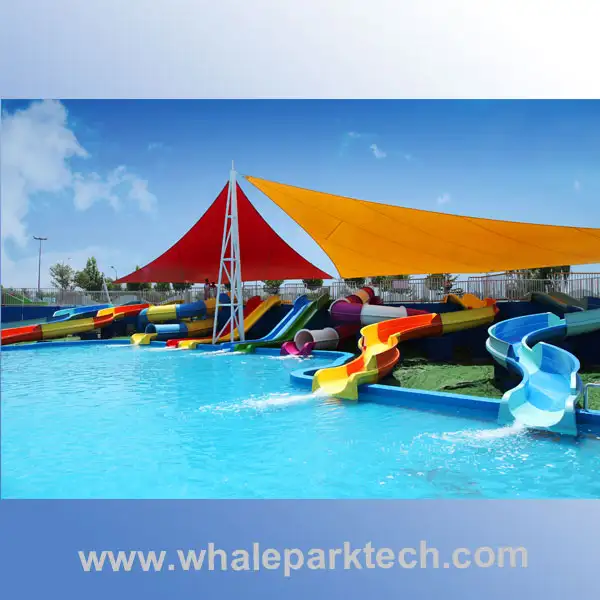 Parent-Child Water Slides | Safe Family Splash Rides for Kids
-
 Whirlwind Super Tornado Funnel Water Slide
-
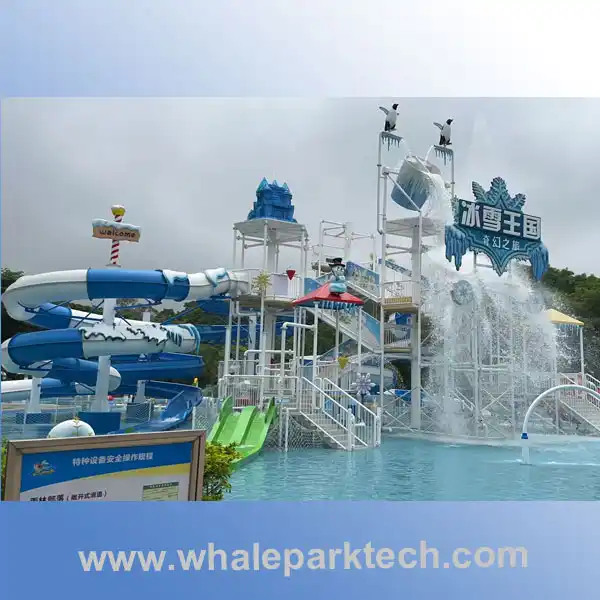 Ice and Snow Kingdom Water Fortress
-
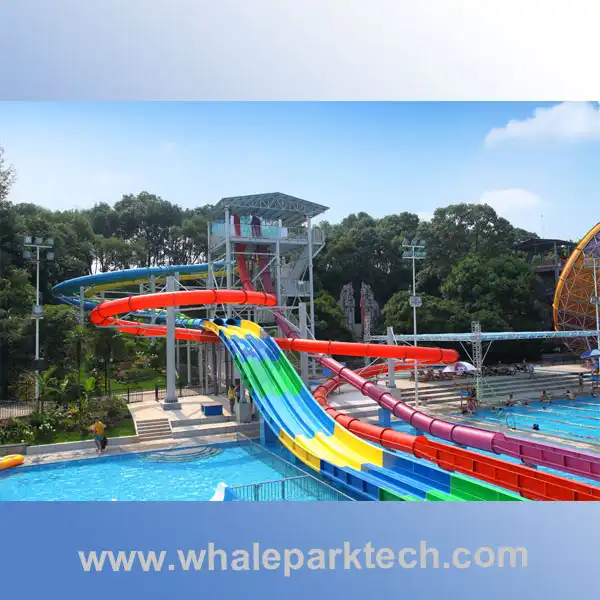 Turbo Loop Water Slide - Fiberglass Commercial Water Park Equipment