
Water slides are iconic attractions in modern water parks, with the megaphone super tornado fiberglass water slide standing out for its thrilling design and dynamic ride experience. This guide delves into the comprehensive manufacturing process, from initial design to final assembly, detailing key parameters and materials. Whether you’re a water park equipment supplier, a water slide manufacturer, or involved in commercial water park equipment, this article provides valuable insights into creating a safe, durable, and exciting slide.

Part 1: Manufacturing Process Steps – From Design to Finished Product
The production of a fiberglass water slide involves meticulous planning and execution across multiple stages, ensuring both safety and enjoyment for riders. The process begins with design and progresses through tooling, fabrication, and assembly.
Design Phase
The first step is conceptual design, where engineers and designers collaborate to sketch a slide that balances adrenaline-pumping features with stringent safety standards. Advanced CAD (Computer-Aided Design) software, such as AutoCAD or SolidWorks, is used to create detailed 3D models. These models simulate water flow and rider dynamics using computational fluid dynamics (CFD) tools, allowing adjustments to slopes, curves, and drops for optimal performance. For indoor water park equipment suppliers, factors like space limitations and climate control are integrated into the design. Professional water slide manufacturers often employ virtual reality (VR) simulations to test rider experience before physical production. The finalized design includes blueprints specifying every dimension, which are reviewed by water park equipment manufacturers to comply with international safety codes like ASTM F2376.
Tooling and Mold Making
Once designs are approved, mold construction begins. Molds are typically crafted from wood or high-density foam, shaped precisely to match the slide’s contours. CNC (Computer Numerical Control) machines ensure accuracy in cutting and carving, while hand tools like sanders and sculpting knives refine the surface. A release agent is applied to the mold to prevent the fiberglass from sticking. This stage is critical for water park suppliers who aim to produce consistent, high-quality slides. The mold serves as the foundation for the fiberglass layup, and its durability impacts the entire production cycle.
Fiberglass Layup and Curing
The core material is fiberglass reinforced plastic (FRP), chosen for its strength and flexibility. The process starts with applying a gel coat to the mold, which provides a smooth, UV-resistant finish in vibrant colors. Next, layers of fiberglass mat or cloth are laid up, each saturated with polyester resin. Workers use rollers and brushes to remove air bubbles and ensure even saturation, building thickness according to specifications. For a megaphone super tornado slide, additional reinforcement may be added at stress points, such as curves and joints. Curing follows, often accelerated with heat lamps or oven treatment, depending on the resin system. After curing, the fiberglass shell is demolded, revealing the slide’s shape. Water park equipment manufacturers conduct initial inspections for defects like cracks or uneven surfaces.
Assembly and Finishing
The fiberglass sections are trimmed using cutting tools and polished to a smooth finish. Support structures, fabricated separately, are typically made from galvanized steel or aluminum for corrosion resistance. These materials are engineered to bear dynamic loads, with parameters like tensile strength and weld integrity verified. The slide is mounted onto the using bolts and brackets, ensuring stability and alignment. Final steps include installing water nozzles for lubrication, adding safety features like guardrails and signage, and conducting load tests. Commercial water park equipment providers often partner with water slide manufacturers for quality assurance, ensuring the slide meets operational demands. Throughout, tools like torque wrenches, laser levels, and pressure testers are used to maintain precision.
Part 2: Detailed Parameters – Dimensions and Specifications
Accurate parameters are essential for the slide’s performance and safety. Below are typical specifications for a megaphone super tornado fiberglass water slide, tailored for water park applications.
Length and Width
The overall length ranges from 150 to 300 feet (45 to 91 meters), depending on the design complexity and available space. The slide’s diameter, or width, is usually 6 to 8 feet (1.8 to 2.4 meters) to accommodate multiple riders or single-tube experiences. For indoor water park equipment suppliers, compact designs may feature shorter lengths with tighter turns.
Height and Drop
The height from start to finish varies from 50 to 100 feet (15 to 30 meters), providing sufficient gravitational force for a thrilling ride. The drop angle is carefully calculated, often between 30 to 60 degrees, to maintain speed without compromising safety.
Thickness and Curvature
The fiberglass thickness is critical for durability; it typically measures 0.25 to 0.5 inches (6 to 12 millimeters), with reinforced areas up to 0.75 inches (19 millimeters) at high-stress points. Curvature parameters include a turning radius of 20 to 50 feet (6 to 15 meters) for the tornado effect, and arc angles designed to create a “megaphone” expansion at the finale. Water slide manufacturers use these specs to optimize flow dynamics, ensuring a smooth yet exhilarating ride.
Additional Metrics
Other parameters include water flow rate (e.g., 500 to 1000 gallons per minute), rider capacity (often 1-2 persons per slide section), and installation clearances. These are calibrated by water park equipment suppliers based on site assessments and safety audits. Compliance with standards like EN 1069 ensures consistency across commercial water park equipment.
Part 3: Materials – Main Body and Support Structure
Material selection directly impacts the slide’s longevity, safety, and maintenance needs. Here, we break down the key materials and their parameters.
Main Body Material: Fiberglass Reinforced Plastic (FRP)
FRP is the preferred material for the slide body due to its lightweight nature, high strength-to-weight ratio, and corrosion resistance. It consists of glass fibers embedded in a polyester resin matrix, which can be customized for color and texture. For water park equipment manufacturers, FRP offers ease of repair and UV stability, making it ideal for both indoor and outdoor use. Key parameters include a tensile strength of 10,000 to 20,000 psi and a flexural modulus that withstands repeated stress. Commercial water park equipment often incorporates anti-slip additives in the gel coat for enhanced safety.
Support Structure Material: Steel and Aluminum
The support framework is typically constructed from galvanized steel or aluminum alloys. Galvanized steel provides robust strength, with a thickness of 0.25 to 0.5 inches (6 to 12 millimeters) and a yield strength exceeding 36,000 psi. It undergoes hot-dip galvanization or powder coating to resist rust and environmental wear. Aluminum, used by some water park suppliers for lighter installations, offers similar durability with added corrosion resistance. Parameters for支架 materials include load-bearing capacity (e.g., supporting up to 5000 pounds) and weld specifications per AWS D1.1 standards. Water slide manufacturer teams often collaborate with water park equipment suppliers to source certified materials, ensuring alignment with safety regulations.
Integration and Quality Assurance
The combination of FRP and metal creates a synergistic structure. During assembly, fasteners like stainless steel bolts are used to secure connections, with periodic inspections for wear. For indoor water park equipment suppliers, materials may include fire-retardant resins or noise-damping features. Overall, the selection process emphasizes durability, as noted by water park manufacturers who prioritize long-term performance in high-traffic environments.
Conclusion
Manufacturing a megaphone super tornado fiberglass water slide is a detailed endeavor that blends engineering precision with creative design. By following these steps—from CAD modeling to material selection—water park equipment suppliers and water slide manufacturers can produce attractions that captivate visitors while adhering to safety norms. Whether for commercial water park equipment or custom projects, understanding these facets helps stakeholders make informed decisions, fostering innovation in the water park industry. As demand grows, collaboration among water park equipment manufacturers will continue to drive advancements in slide technology, ensuring thrilling experiences for years to come.
Products
-
 Custom FRP Super Vortex Water Slides for Adults
-
 Flying Mat Slide for Sale - Premium Water Park Slides Manufacturer | Commercial Water Park Equipment
-
 Premium Fiberglass Water Slides & Commercial Water Park Equipment for Sale - Water Roller Coaster
-
 Premium Family Water Slides for Sale | Commercial Water Park Equipment Manufacturer
-
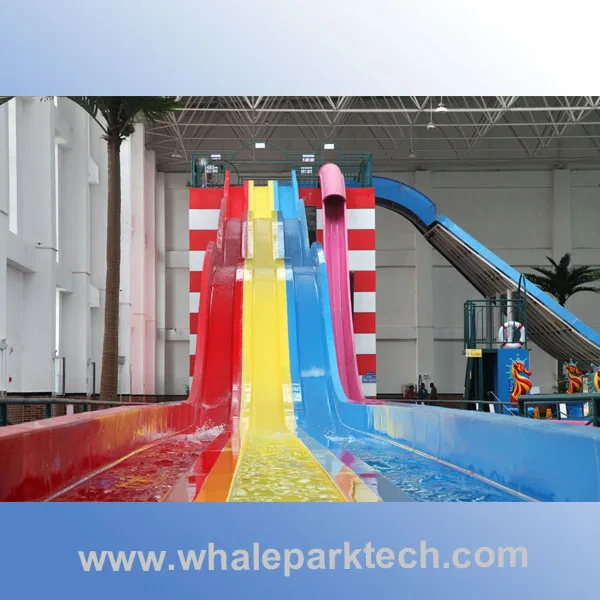 Commercial Indoor Rainbow Water Slide - FRP Slide with Steel Structure
-
 Large Sky Loop Water Slide for Sale | Water Park Equipment Suppliers
-
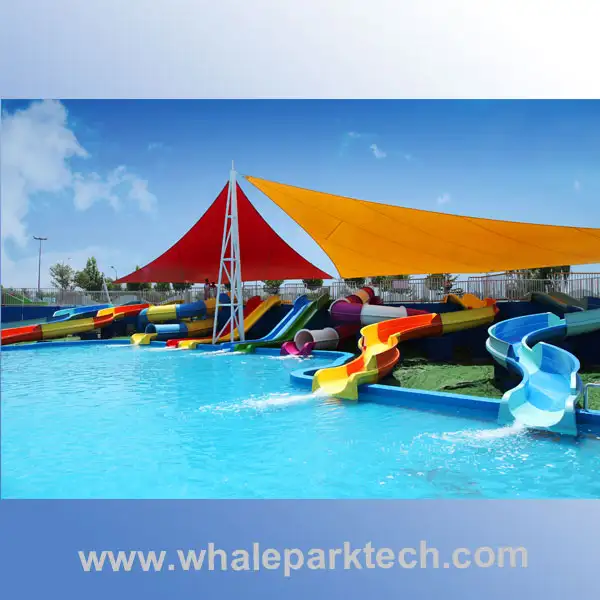 Parent-Child Water Slides | Safe Family Splash Rides for Kids