
The growing emphasis on family-friendly amenities in water parks has brought increased attention to specialized (baby-friendly equipment). Among these facilities, constant temperature shallow pools have emerged as essential features, providing a safe and comfortable aquatic environment for infants and toddlers. These pools maintain water temperatures between 30-35°C (86-95°F) to prevent hypothermia in young children, whose bodies lose heat more rapidly than adults. Properly designing and operating these facilities requires careful consideration of heating systems and energy consumption, making collaboration with experienced water park equipment suppliers crucial for successful implementation.
Understanding Constant Temperature Shallow Pools
Constant temperature shallow pools represent a significant advancement in aquatic safety and comfort for young visitors.These specialized pools typically maintain depths of 15-30 centimeters, allowing infants to sit and play safely while benefiting from the therapeutic warmth of properly heated water. Leading water park equipment manufacturers have developed sophisticated heating systems specifically for these applications, incorporating safety features such as non-slip surfaces and rounded edges. The selection of appropriate materials is particularly important, as components must withstand constant exposure to chlorine corrosive environments while maintaining their structural integrity and safety characteristics.
The heating requirements for these pools differ significantly from standard aquatic facilities. Due to the smaller water volume and higher surface-to-volume ratio, heat loss can occur more rapidly, necessitating efficient heating systems. Reputable water park suppliers often recommend integrated heating solutions that combine primary water heaters with supplementary systems, such as solar thermal collectors or heat recovery units from other park operations. This approach helps maintain consistent temperatures while optimizing energy usage across the facility.
Calculating Heating Energy Requirements
Accurate energy calculation for constant temperature pools involves multiple factors that professional water park equipment companies consider during the design phase.The fundamental calculation begins with determining the pool’s heat load, which encompasses both the initial heating requirement and ongoing maintenance heating. For a standard 25 cubic meter shallow pool, the energy needed to raise the water temperature from 15°C to 32°C can be calculated using the formula: Energy (kWh) = Volume (m³) × Temperature Rise (°C) × 1.163. This results in approximately 494 kWh for the initial heat-up phase.
However, the more significant energy consumption comes from maintaining the desired temperature during operation. Heat loss occurs through several mechanisms that commercial water park equipment must address:
· Evaporation losses, particularly in outdoor installations
· Convection losses from wind exposure
· Radiation losses to cooler surroundings
· Conduction through pool walls and floor
Professional water slide manufacturers and aquatic facility designers typically incorporate additional safety factors of 10-30% to account for these variables. Advanced calculation methods used by indoor water park equipment suppliers often include detailed climate data, anticipated bather loads, and cover efficiency ratings to provide more accurate energy projections.
Energy Efficiency Strategies
Implementing energy-efficient practices significantly reduces operational costs while maintaining optimal pool conditions.Water playground manufacturers in Malaysia and other tropical regions have pioneered passive heating designs that maximize solar gain while minimizing heat loss. These designs often incorporate transparent roofing materials, wind barriers, and strategic orientation to capture natural warmth.
Bulk water play equipment suppliers frequently recommend integrated energy management systems that monitor water temperature in real-time and adjust heating output accordingly. These systems can reduce energy consumption by 15-25% compared to conventional thermostatic controls. Additionally, water park tubes suppliers have developed insulated cover systems that dramatically reduce heat loss during non-operational hours, particularly important for facilities in cooler climates.
Selecting Appropriate Equipment
Choosing the right components from reliable water park equipment manufacturers ensures both energy efficiency and long-term reliability.Key considerations include:
· Heating systems with high COP (Coefficient of Performance) ratings
· Corrosion-resistant materials that withstand chlorine corrosive environments
· Modular designs that allow for future expansion
· Integrated safety features specifically designed for child-safe operation
Leading water theme park equipment providers typically offer comprehensive packages that include energy monitoring systems, automated chemical controllers, and remote management capabilities. These integrated solutions help facility managers optimize energy usage while maintaining perfect water conditions for young visitors.
Industry Best Practices
Successful implementation of constant temperature pools requires collaboration with experienced aqua park equipment suppliers who understand the unique requirements of infant and toddler facilities.Many water games equipment manufacturers now provide specialized consultation services, helping park operators select the most appropriate equipment combinations for their specific climate conditions and usage patterns.
Regular maintenance, as recommended by water park equipment suppliers, plays a crucial role in maintaining energy efficiency. This includes periodic inspection of heating elements, cleaning of heat exchanger surfaces, and verification of insulation integrity. Proper water chemistry maintenance also contributes to energy efficiency by preventing scale buildup on heating surfaces, which can significantly reduce heat transfer efficiency.
Wave pool equipment specialists emphasize the importance of proper system sizing, as oversized heating systems can lead to short cycling and reduced efficiency, while undersized equipment may struggle to maintain desired temperatures during peak usage periods. Working with established water park slides manufacturers ensures that heating systems are properly matched to the specific requirements of each facility.
Conclusion
Designing and operating constant temperature shallow pools for baby-friendly water parks requires careful planning and expert execution.By understanding the energy calculation principles and implementing efficiency strategies, park operators can create safe, comfortable, and sustainable environments for their youngest visitors. Partnership with reputable water park equipment manufacturers and suppliers ensures access to the latest technologies and best practices, ultimately leading to successful family-friendly aquatic facilities that balance operational efficiency with exceptional guest experiences.
Products
-
 Custom FRP Super Vortex Water Slides for Adults
-
 Flying Mat Slide for Sale - Premium Water Park Slides Manufacturer | Commercial Water Park Equipment
-
 Premium Fiberglass Water Slides & Commercial Water Park Equipment for Sale - Water Roller Coaster
-
 Premium Family Water Slides for Sale | Commercial Water Park Equipment Manufacturer
-
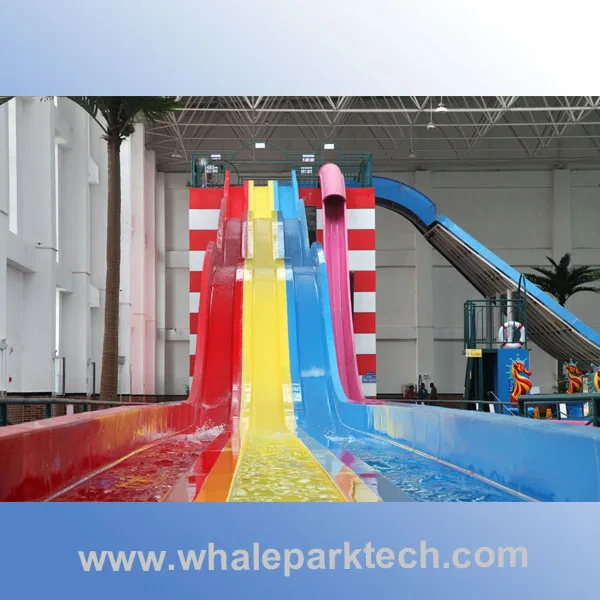 Commercial Indoor Rainbow Water Slide - FRP Slide with Steel Structure
-
 Large Sky Loop Water Slide for Sale | Water Park Equipment Suppliers
-
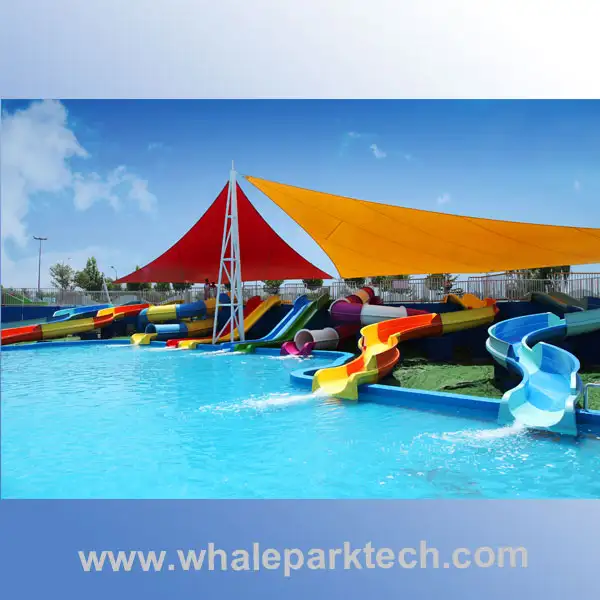 Parent-Child Water Slides | Safe Family Splash Rides for Kids