
Introduction: The Impact of (America) U.S.-China Trade Tensions
Since 2018, the (America) U.S.-China trade war has reshaped global supply chains, with tariffs on Chinese goods reaching up to 25% in sectors like machinery and manufactured products. By 2025, water park equipment exporters—producing slides, wave pools, filtration systems, and inflatable structures—face compounded challenges under prolonged tariff regimes. This article examines the obstacles and proposes actionable strategies to sustain com petitiveness in the U.S. market.
Key Challenges for Chinese Exporters in 2025
1. **Escalating Tariffs and Cost Pressures**
– Tariff Rates: Water park equipment, classified under HTS codes such as 9506.99 (amusement park items) and 8413.70 (pumps), remains subject to Section 301 tariffs. With potential additional duties, Chinese products could face **30-35% total tariffs**, eroding price advantages.
– Profit Margins: Exporters report margins shrinking by 10-15%, forcing price hikes that alienate U.S. buyers.
2. **Shift in U.S. Procurement Strategies**
– **Nearshoring Trends**: U.S. firms increasingly source from Mexico, Vietnam, or domestic manufacturers to avoid tariffs. For example, WhiteWater West (a Canadian-U.S. firm) now prioritizes Mexican factories for modular components.
– “De-risking” Policies: The U.S. government incentivizes “ally-shoring,” excluding Chinese suppliers from federal-funded projects like municipal parks.
3. **Logistical and Regulatory Hurdles**
– Customs Delays: Enhanced scrutiny of Chinese imports under the Uyghur Forced Labor Prevention Act (UFLPA) disrupts shipments.
– Compliance Costs: Meeting U.S. safety standards (e.g., ASTM F2376 for water slides) requires costly certifications, further straining budgets.
4. **Competition from Emerging Markets**
– Southeast Asian Rivals: Thai and Malaysian manufacturers offer lower tariffs (0-10% under U.S. free trade agreements) and competitive labor costs.
– Technological Catch-Up: European firms like Polin (Turkey) and ProSlide (Canada) lead in innovation, challenging China’s reputation as a low-cost provider.
Strategies for Overcoming Trade Barriers
1. **Geographic Diversification: Relocating Production**
– Mexico as a Gateway: Establishing assembly plants in Mexico allows exporters to leverage USMCA (U.S.-Mexico-Canada Agreement) for tariff-free access. For instance, Chinese firms could ship semi-finished products to Mexican facilities for final assembly, reducing tariff liabilities.
– ASEAN Partnerships: Joint ventures in Vietnam or Indonesia enable access to ASEAN-U.S. preferential tariffs while maintaining cost efficiency.
2. **Product Differentiation and Value Addition**
– Smart Technology Integration: Embedding IoT sensors for predictive maintenance or VR-enhanced rides caters to U.S. demand for high-tech attractions.
– Sustainability Focus: Solar-powered filtration systems or recycled materials align with U.S. environmental regulations and municipal procurement policies.
3. **Leveraging Free Trade Zones (FTZs) and Bonded Warehouses**
– FTZ Stockpiling: Storing goods in U.S. FTZs (e.g., Los Angeles) delays tariff payments until products enter the domestic market, improving cash flow.
– Bonded Warehouses in China: Utilizing facilities in Shanghai or Shenzhen to process goods for re-export under processing trade rules reduces tariff burdens.
4. **Strategic Partnerships and Localization**
– Collaborating with U.S. Distributors: Partnering with established firms like SplashTacular or Aquatic Development Group ensures compliance and market access.
– Local Assembly Hubs: Setting up small-scale assembly units in the U.S. to finalize products domestically, circumventing finished-goods tariffs.
5. **Government and Industry Support**
– Export Tax Rebates: Maximizing China’s VAT rebate policies (up to 13% for machinery exports) to offset tariff costs.
– Lobbying for Exemptions: Industry associations can petition the USTR for tariff exclusions on niche products (e.g., eco-friendly water park components).
Case Study: Success Amid Tariffs
Guangdong Waterplay Equipment Co. adapted to U.S. tariffs by:
1. Opening a manufacturing joint venture in Tijuana, Mexico, slashing tariffs from 25% to 0%.
2. Partnering with California’s Great Wolf Lodge to co-develop AI-driven water attractions, securing premium pricing.
3. Utilizing bonded warehouses in Long Beach to manage inventory flexibly.
Result: U.S. revenue grew 12% year-on-year in 2023 despite tariffs.
Conclusion: Resilience Through Adaptation
While U.S. tariffs and trade policies pose significant hurdles, Chinese water park equipment exporters can thrive in 2025 by embracing geographic diversification, technological innovation, and strategic localization. Success hinges on agility, partnerships, and aligning with global trends in sustainability and digitalization.
**Recommendations**:
– Invest in R&D to transition from “Made in China” to “Designed by China.”
– Monitor U.S. legislative changes, such as potential tariff rollbacks post-2024 elections.
– Leverage cross-border e-commerce platforms to reach small U.S. buyers directly.
By reimagining traditional export models, China’s water park industry can turn trade war challenges into opportunities for long-term growth.
Products
-
 Custom FRP Super Vortex Water Slides for Adults
-
 Flying Mat Slide for Sale - Premium Water Park Slides Manufacturer | Commercial Water Park Equipment
-
 Premium Fiberglass Water Slides & Commercial Water Park Equipment for Sale - Water Roller Coaster
-
 Premium Family Water Slides for Sale | Commercial Water Park Equipment Manufacturer
-
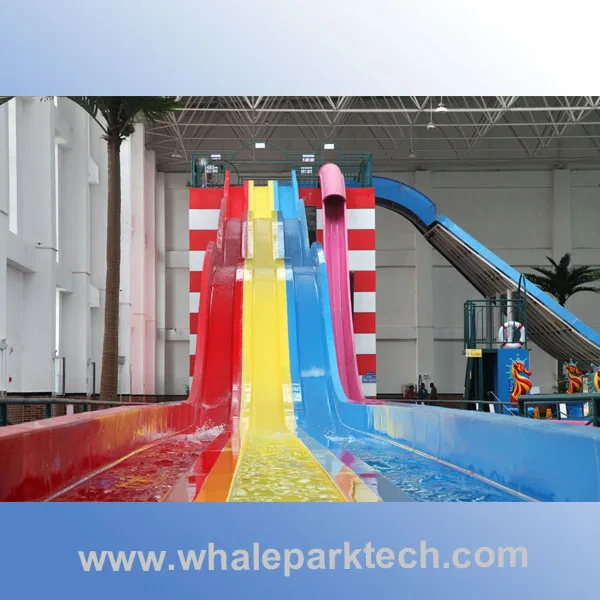 Commercial Indoor Rainbow Water Slide - FRP Slide with Steel Structure
-
 Large Sky Loop Water Slide for Sale | Water Park Equipment Suppliers
-
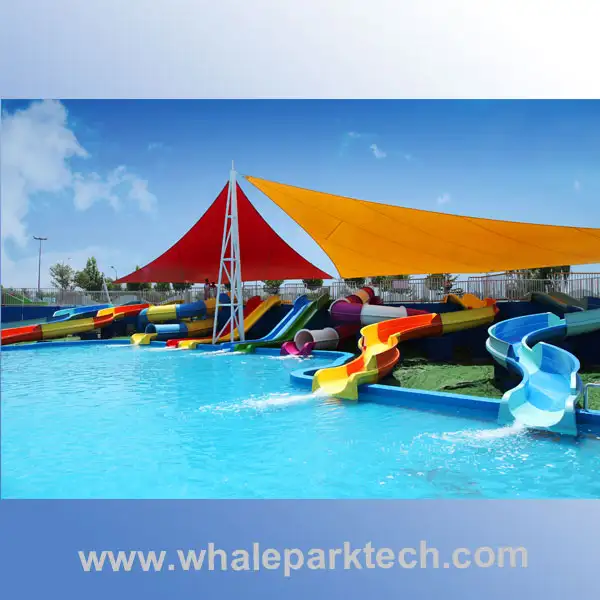 Parent-Child Water Slides | Safe Family Splash Rides for Kids